Imagine showing up to vote — one of the most basic things you can do as a citizen — and being told, “Sorry, we ran out of ballots.”
That’s exactly what happened in Seoul on June 3, 2026, during South Korea’s local elections. And the story only gets worse from there.

What Happened?
On June 3, South Korea held its 9th nationwide local elections. Voters across the country headed to polling stations to cast their ballots for mayors, governors, city council members, and other local officials.
But at around 17 polling stations across Seoul — concentrated in districts like Gangnam, Songpa, and Gwangjin — something went very wrong. They ran out of ballots.
Voters who had waited in line, some for over an hour, were told they couldn’t vote. Some were asked to wait while more ballots were delivered. Others simply gave up and went home. Their right to vote — gone, just like that.
Here’s the part that raised eyebrows: the affected districts tend to lean conservative, areas where the opposition People Power Party (PPP) traditionally enjoys strong support. Whether this was coincidence or something more, it was enough to ignite a firestorm.
The Scene on the Ground
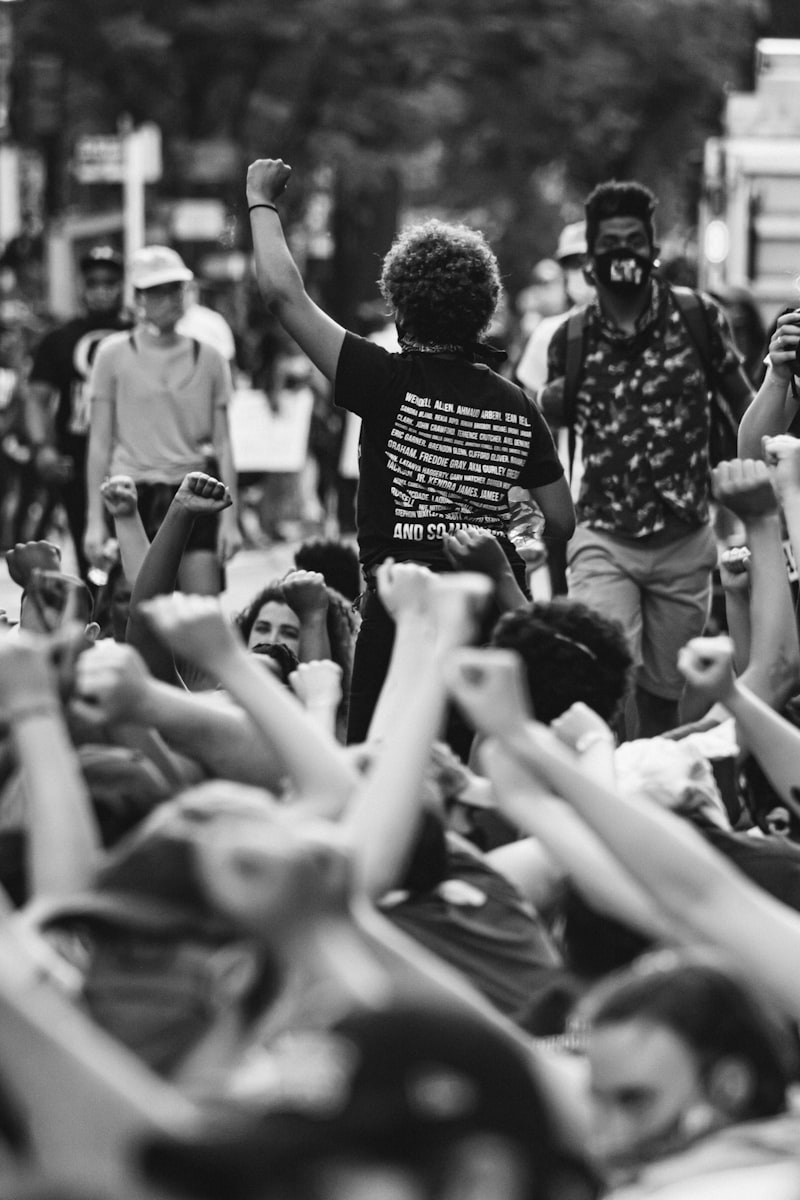
At a polling station in Jamsil, Songpa District, hundreds of citizens gathered to block the collection of ballot boxes. They weren’t going to let the count proceed while their neighbors had been turned away at the door. An estimated 2,000 ballots sat trapped inside two ballot boxes as protesters prevented their transport to counting centers.
Reports emerged of newly printed ballot papers arriving in Ziploc bags and cardboard boxes — images that went viral and only fueled public outrage over what many saw as sloppy, amateurish election management.
The anger was palpable. People weren’t just frustrated — they felt their most fundamental democratic right had been violated.
The National Election Commission’s Response (Or Lack Thereof)
This is where things went from bad to ugly.
The National Election Commission (NEC) — known in Korean as 중앙선거관리위원회 — held a briefing at 9 PM on election day. They apologized. They extended voting hours at some affected locations. But that was about it.
The next day, the NEC essentially said: the ballot shortage doesn’t meet the legal threshold for a revote or postponement under the Public Official Election Act. In other words — sorry, but there’s nothing we can do about it.
For many citizens, this felt dismissive, even arrogant. You failed at your one job — making sure people can vote — and your response is a shrug?
A civic group called the Citizens’ Livelihood Countermeasures Committee filed criminal complaints against the NEC chairman, secretary general, and several Seoul and Songpa district election officials, accusing them of abuse of authority and dereliction of duty.
The Political Fallout

The opposition People Power Party went on the offensive immediately. PPP leader Jang Dong-hyeok demanded the vote count be halted and called for a new election. Seoul mayoral candidate Oh Se-hoon joined in, and the party announced plans to file a lawsuit to invalidate the election results.
Meanwhile, the presidential office distanced itself, saying the ballot shortage was an issue for the Election Commission to address.
These local elections had been widely framed as a referendum on liberal President Lee Jae-myung, who has been in power for exactly one year. Instead of a straightforward plebiscite on his administration, the election became a crisis of confidence in South Korea’s electoral system itself.
Why This Matters Beyond South Korea
Election integrity isn’t just a Korean issue. Around the world, democracies live and die by public trust in the voting process. When voters can’t vote — regardless of the reason — it erodes that trust in ways that are incredibly hard to repair.
What makes this situation especially concerning:
- The selective impact: Ballot shortages hitting opposition-leaning districts creates the appearance of bias, whether or not there was any intent behind it.
- The institutional response: An apology without accountability doesn’t rebuild trust. If anything, the NEC’s legalistic response — it doesn’t meet the threshold for a revote — made things worse.
- The precedent: If running out of ballots isn’t grounds for corrective action, what is?
Where Things Stand Now
As of this writing, the situation is still developing. Legal challenges are being prepared, protests continue, and public trust in the NEC is at a low point. Whether this leads to institutional reform or gets swept under the rug remains to be seen.
One thing is clear: South Korean citizens aren’t going to let this go quietly.